

Renogy Shares Insights on Emerging Bifacial Solar Panel Trends for 2026
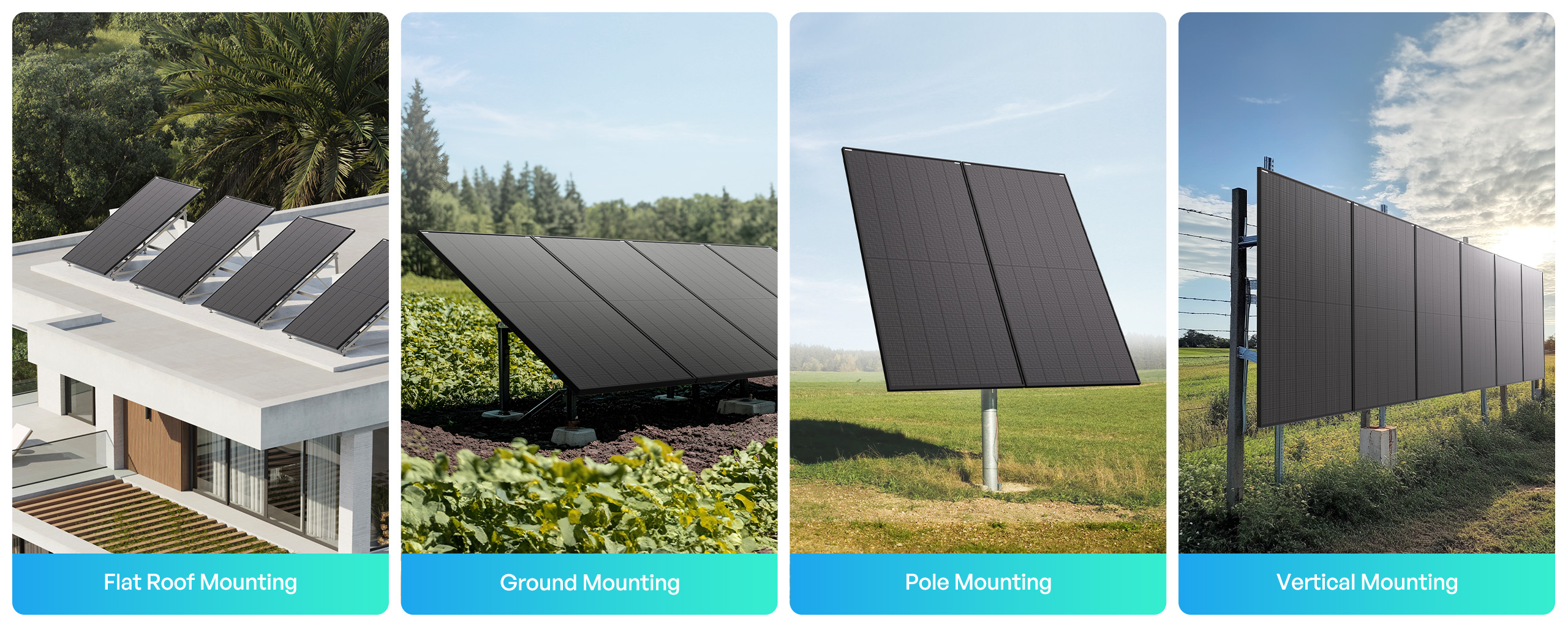
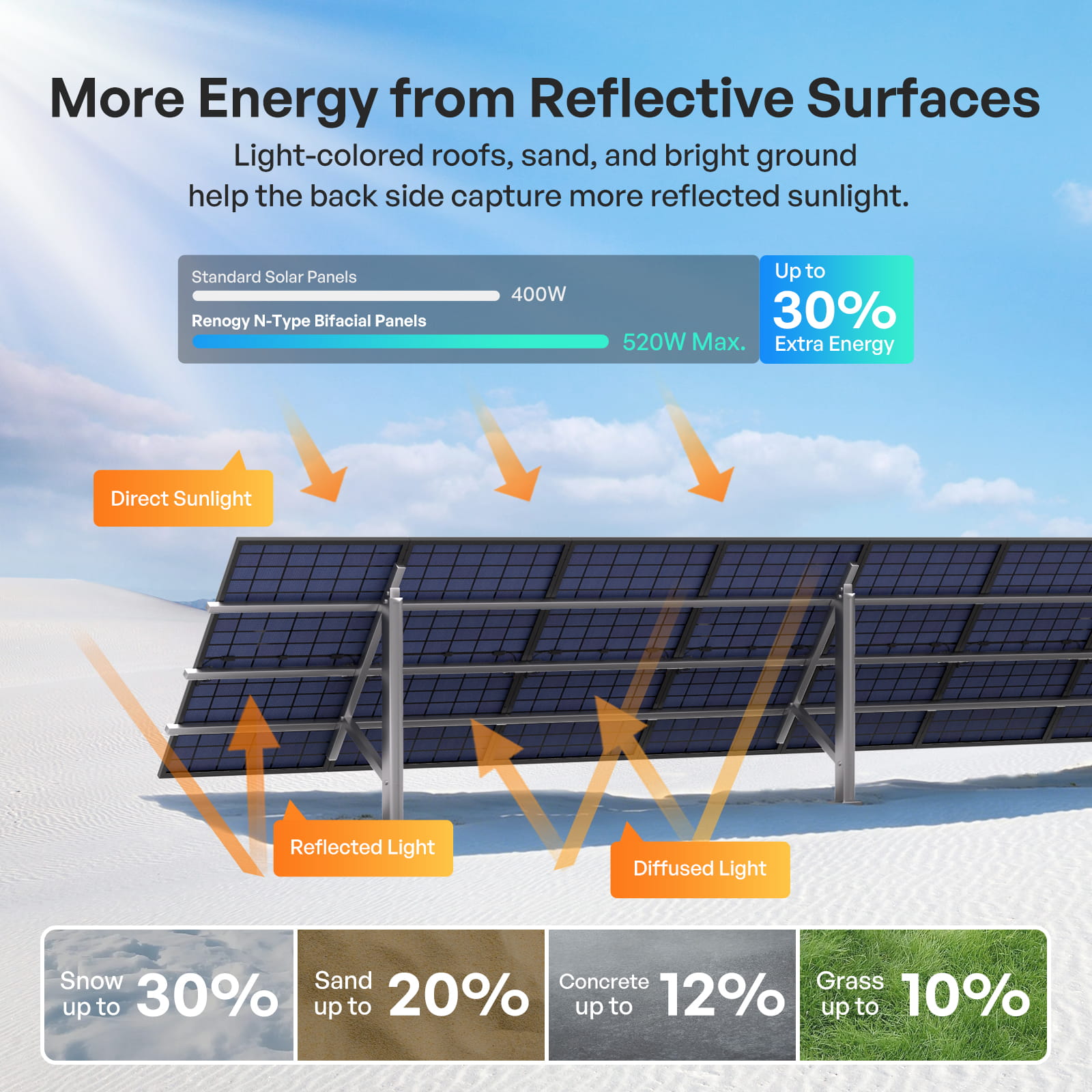
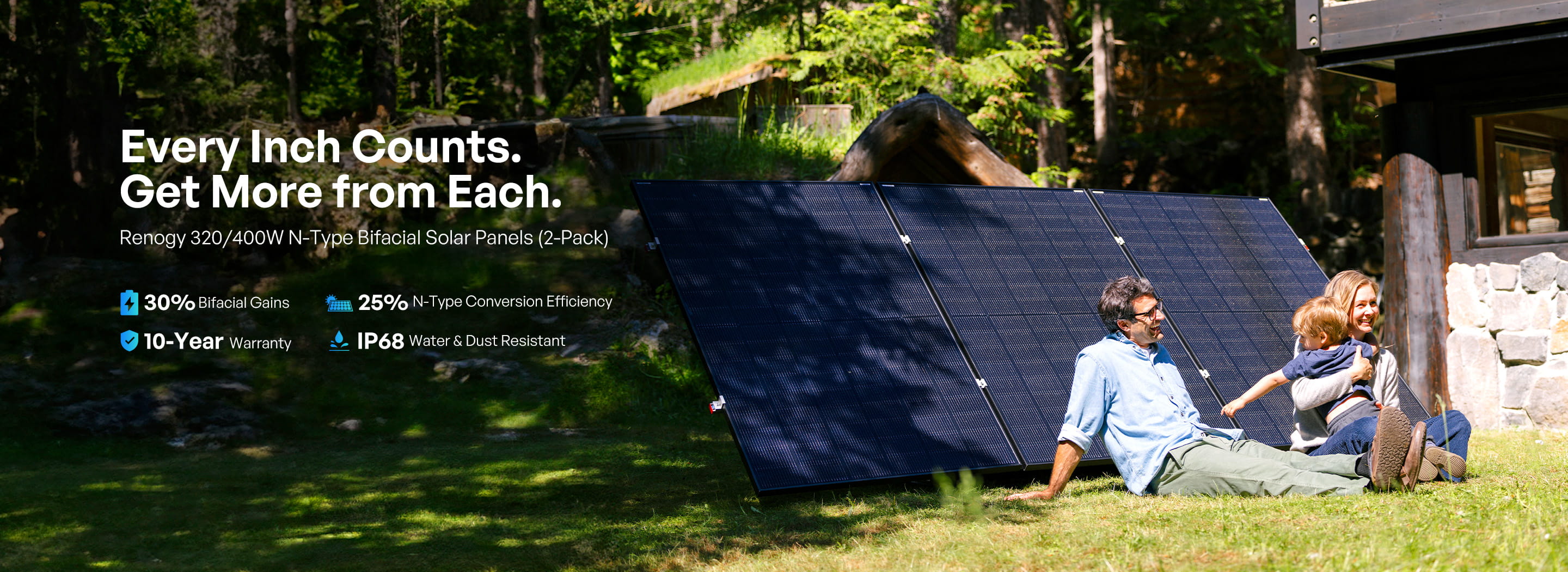
Photo from Renogy.com
Renogy expands its solar lineup with advanced N-type bifacial panels designed to improve energy yield, efficiency, and long-term solar performance.
ONTARIO, CA, UNITED STATES, June 14, 2026 /EINPresswire.com/ -- As the solar industry continues its transition toward higher-efficiency technologies, bifacial solar panels are gaining increasing attention across residential, commercial, and off-grid energy markets.Originally developed and widely deployed in utility-scale solar farms, bifacial technology was designed to maximize energy yield by capturing sunlight from both the front and rear sides of solar modules. However, its application in smaller-scale and mobile energy systems has only emerged more recently as manufacturing processes have matured and costs have declined.
Renogy was among the early pioneers to explore the application of bifacial solar technology in the off-grid energy sector. In 2023, the company introduced bifacial solar panels into off-grid and mobile power applications as a market exploration initiative, moving beyond the traditional utility-scale use case.
The response from the market was highly positive. Early adoption was particularly strong in marine applications, where 100W and 200W compact bifacial modules gained traction due to their flexible installation configurations and ability to maximize rear-side light capture from reflective water surfaces.
In parallel, RV and overlanding users—many of whom rely on long-term off-grid camping and stationary parking scenarios—began adopting bifacial panels to enhance energy independence. These users often install solar panels on vehicle rooftops with adjustable mounting brackets, allowing them to optimize tilt angles when parked to maximize solar exposure and overall energy generation.
According to Renogy’s engineering team at its manufacturing facility, early field data played a critical role in validating this adoption trend.
“When we first introduced bifacial panels for off-grid use in 2023, we were primarily testing whether real-world environments like RV rooftops and marine decks could actually benefit from rear-side energy capture,” said a Renogy factory technical engineer. “The feedback was immediate—especially from marine users and long-stay RV campers. Installation flexibility and reflected light conditions made a measurable difference in daily energy output.”
Over the past three years, continuous market feedback, combined with advancements in solar cell efficiency and manufacturing maturity, has significantly improved the performance and cost structure of bifacial technology. As a result, Renogy has expanded its investment in research and production capacity, leading to the development of a new generation of N-Type bifacial solar panels.
Compared with the previous generation, the latest series, offered in 100W, 200W, 320W, and 400W variants, delivers improved conversion efficiency and a more competitive cost-performance ratio, making bifacial technology more accessible to a broader range of off-grid and mobile energy users.
This evolution reflects not only technological advancement but also the growing demand from real-world users seeking reliable, high-efficiency solar solutions for demanding environments.
The launch of Renogy’s next-generation N-Type bifacial solar panel series represents the company’s continued commitment to translating field experience into product innovation, supporting applications across RV, marine, residential, and off-grid energy systems.
Liana L.
-
email us here
Legal Disclaimer:
EIN Presswire provides this news content "as is" without warranty of any kind. We do not accept any responsibility or liability for the accuracy, content, images, videos, licenses, completeness, legality, or reliability of the information contained in this article. If you have any complaints or copyright issues related to this article, kindly contact the author above.
